
A Buyer’s Guide to Beverage Suppliers in Europe
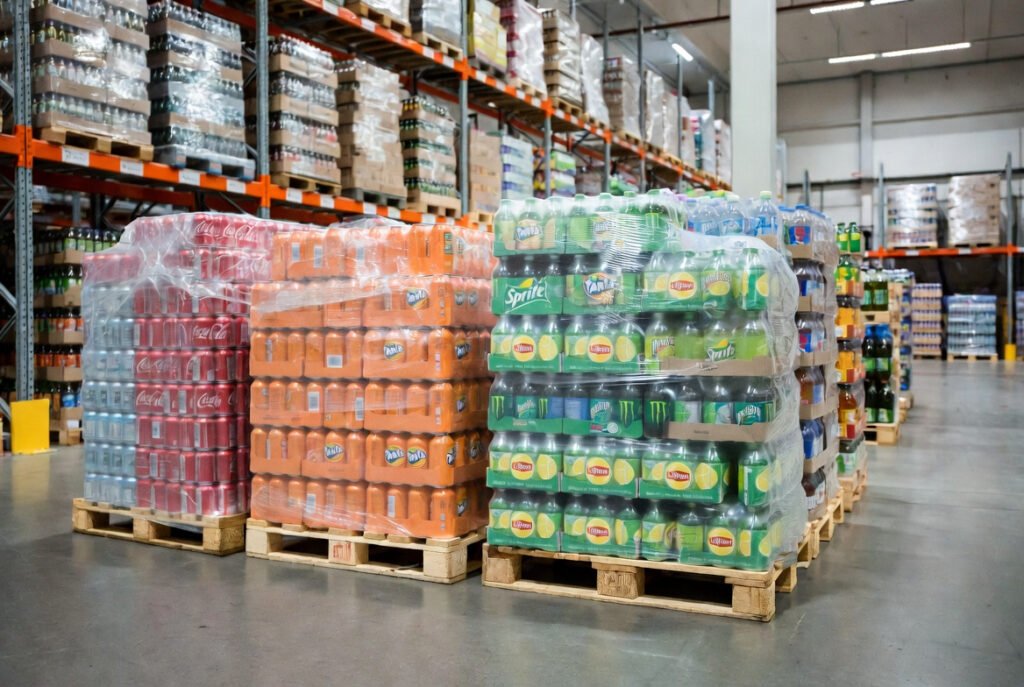
For wholesalers, distributors, importers, retailers and HoReCa businesses, few decisions carry more weight than picking a reliable beverage supplier in Europe. Get it right and you can count on steady product availability, smooth logistics and long-term growth; get it wrong and you risk delays, quality problems and financial losses.
This guide shows how to spot, assess and then work with a beverage supplier in Europe you can trust.
In This Guide
- The Hallmarks of a Reliable Beverage Supplier
- What Is at Stake When You Choose a Supplier
- 10 Ways to Identify a Reliable Beverage Supplier in Europe
- Errors Buyers Commonly Make
- What A & S BEVERAGES Does for B2B Buyers
- Q&A
The Hallmarks of a Reliable Beverage Supplier
Reliability goes beyond simply having products to sell. In Europe’s competitive market, it comes down to consistency, transparency and professional execution.
Look for these traits:
- Steady availability of products
- Clear communication
- A structured way of taking orders
- Logistics handled professionally
- Clear, open pricing and terms
When a supplier ticks these boxes, it can back your long-term growth and cut operational risk.
What Is at Stake When You Choose a Supplier
The wrong supplier can leave you facing:
- Delayed deliveries
- Product quality that varies
- Hidden costs
- Poor communication
In B2B trade, problems like these hit revenue and customer satisfaction directly. A well-chosen partner, by contrast, keeps operations running smoothly and allows the business to scale.
10 Ways to Identify a Reliable Beverage Supplier in Europe
1. Check Registration and Regulatory Compliance
Make sure the supplier is a legally registered company that complies with EU rules, and ask to see its VAT ID, packaging registration and other certifications.
2. Assess the Range on Offer
A capable supplier will cover several categories, for example:
- Soft drinks
- Energy drinks
- Juice drinks
- Sparkling water
- Iced tea
👉 Our complete product range:
/beverage-products/
3. Be Clear on Minimum Order Quantities
A dependable supplier sets out its MOQ (Minimum Order Quantity) clearly, which makes it easier to plan stock levels and cash flow.
4. Look Closely at Logistics
Expect a professional supplier to offer:
- Clearly stated delivery times
- Set Incoterms: DAP, DDP or CIF
- Trustworthy transport partners
👉 How we ship:
/logistics-delivery/
5. Judge How Well They Communicate
Quick, clear and well-organised replies are a good indicator that a supplier is reliable.
6. Ask for a Full Quotation
A proper quote ought to set out:
- Pricing
- Shipping cost
- Delivery time
- Product details
7. Expect an Orderly Buying Process
Dependable suppliers work through a set sequence:
Quotation → Invoice → Payment → Shipment → Tracking
8. Be Wary of Prices That Look Too Good
Prices far under the going market rate may signal problems, including:
- Poor-quality goods
- Fraud
- Hidden costs
9. Ask Where They Supply
A supplier active in several European markets is usually the more experienced one.
👉 The markets we supply:
/markets-we-supply/
10. Place a Trial Order First
A smaller first order lets you judge:
- Product quality
- Delivery reliability
- Overall service
Errors Buyers Commonly Make
- Picking on price alone
- Skipping checks on company details
- Disregarding logistics terms
- Bypassing trial orders
- Failing to test how responsive they are
What A & S BEVERAGES Does for B2B Buyers
Based in Germany, A & S BEVERAGES supplies wholesalers, distributors, importers, retailers and HoReCa businesses throughout Europe.
Our priorities:
- Organised B2B supply
- Well-coordinated logistics
- Clear communication
- Beverage sourcing across categories
👉 Details of our wholesale service:
/beverage-wholesale-europe/
Regulatory and Industry Links
Official sources on regulation and the wider industry:
Reliable Beverage Supplier in Europe: Q&A
What counts as a reliable beverage supplier in Europe?
One that gives B2B buyers consistent products, clear communication and well-structured logistics.
How large is a typical minimum order in beverage wholesale?
It depends on the stage of the partnership, but most suppliers ask for 2 to 5 pallets.
Which drinks categories should I import?
Five categories stand out for demand: soft drinks, energy drinks, juice drinks, sparkling water and iced tea.
In what way does DAP differ from DDP?
Under DAP, goods are delivered with duties unpaid; under DDP, every tax and duty is covered.
What are typical delivery times within Europe?
Usually 2–6 business days, depending on where the goods are going.
Final Word
Choosing a reliable beverage supplier in Europe takes careful checking. Work through the right steps, though, and you give yourself the basis for a strong, profitable partnership.
Need a structured, professional supply partner? A & S BEVERAGES serves B2B buyers across Europe through a clear and reliable sourcing process.
Request a Quotation
Planning a bulk beverage order?
👉 Get in touch for pricing:
/contact/